




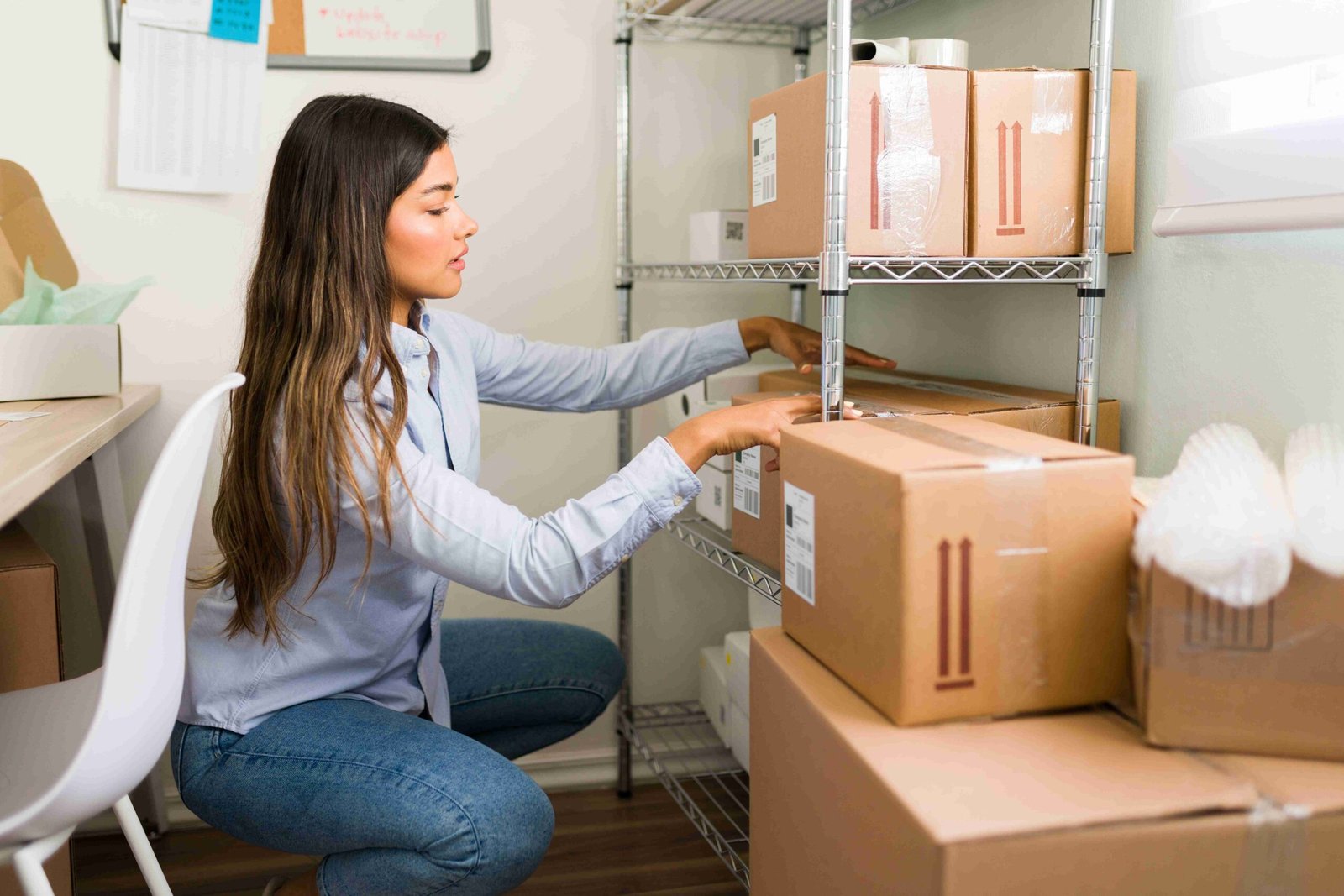
Packing for a storage unit requires a slightly different approach from packing for a regular move. Your belongings may remain packed for weeks or months, so they need protection from dust, moisture, pressure and accidental damage.
Following the right packing tips for storage can also make it easier to organise your unit and retrieve items when you need them. Whether you are storing household belongings during a move, renovation or extended period away, careful preparation can help keep everything in good condition.
If you are preparing to move your belongings into secure storage solutions in Mussafah, here are some practical ways to pack and protect different types of items.
Start by Sorting What You Plan to Store
Before buying boxes or packing materials, decide what actually needs to go into storage. Separate your belongings into categories such as furniture, clothing, electronics, documents, kitchenware and fragile items.
This gives you a clearer idea of how much storage space you need and what packing materials to purchase. It also prevents unnecessary items from taking up valuable space inside the unit.
Consider donating, selling or disposing of belongings you no longer need before packing.
Choose the Right Packing Materials
Good-quality packing materials provide an additional layer of protection while your belongings are being transported and stored.
Depending on what you are packing, useful materials can include:
- Sturdy cardboard or plastic storage boxes
- Bubble wrap
- Packing paper
- Furniture covers
- Mattress covers
- Packing tape
- Corner protectors
- Labels and permanent markers
- Small resealable bags for screws and fittings
Avoid using damaged or weak cardboard boxes. They may lose their shape when stacked or provide insufficient protection during handling.
Use Boxes of Similar Sizes Where Possible
Using boxes of a few standard sizes makes stacking easier and helps you use the vertical space inside your storage unit efficiently.
Place heavier belongings in smaller, stronger boxes and lighter items in larger boxes. Avoid making individual boxes too heavy to lift safely.
Once packed, seal each box securely with packing tape to prevent it from opening during transportation or storage.
Label Every Box Clearly
Labelling is one of the simplest ways to keep a storage unit organised.
Instead of writing general labels such as “household items”, be more specific. For example, use labels such as “kitchen – glasses and mugs” or “bedroom – winter clothes”.
You can also number your boxes and maintain a simple inventory showing what each box contains. Mark boxes containing delicate items as “FRAGILE” so they can be handled and positioned appropriately.
Pack Fragile Items Individually
Glassware, ceramics, mirrors, artwork and decorative pieces need additional protection.
Wrap each fragile item individually using packing paper or bubble wrap. Fill empty spaces inside the box with additional packing material to prevent the contents from moving during transportation.
Avoid overpacking fragile-item boxes. Too much pressure can increase the risk of breakage.
Plates are generally better packed vertically rather than stacked flat, while glasses and cups should be individually wrapped before being placed in a box.
Prepare Furniture Before Storage
Furniture can take up considerable space, so dismantling larger pieces can make transportation and storage easier.
Remove detachable legs, shelves and other components where possible. Keep screws, bolts and fittings in labelled resealable bags and attach them securely to the corresponding furniture or keep them together in a clearly marked box.
Clean furniture before storage and allow it to dry completely. Use suitable furniture covers to protect surfaces from dust and scratches. Avoid wrapping wooden or upholstered furniture too tightly in non-breathable plastic for extended periods, as trapped moisture may affect some materials.
Protect Electronics Properly
Televisions, monitors, computers, gaming consoles and other electronic devices require careful handling.
If you still have the original packaging, it can be useful because it is designed specifically for the device. Otherwise, choose a sturdy box with sufficient protective padding around the item.
Before packing electronics:
- Switch off and unplug the device.
- Remove batteries where appropriate.
- Clean away dust.
- Take photographs of cable connections if you may need help reconnecting them later.
- Label and pack cables and accessories together.
Sensitive electronics may benefit from a temperature-managed environment, particularly when being stored for extended periods in Abu Dhabi’s climate.
Wash and Dry Clothes Before Packing
Clothing should be clean and completely dry before going into storage. Storing damp or dirty clothes can lead to unpleasant odours and may damage fabrics over time.
Fold everyday clothing neatly and place it in clean storage boxes. Garment boxes or breathable garment bags can be useful for suits, dresses and other clothes that are better stored hanging.
For seasonal clothing, label containers according to type or season so that you can find what you need quickly.
Clean Appliances Before Packing
Refrigerators, washing machines, microwaves and other appliances should be thoroughly cleaned before storage.
Drain any remaining water and allow appliances to dry completely. Keep refrigerator and freezer doors slightly open where appropriate to allow airflow and help prevent unwanted odours.
Secure removable shelves, trays and other components separately so that they do not move or break during transportation.
Take Extra Care with Items Going Into Long-Term Storage
Packing becomes particularly important when belongings will remain untouched for several months.
Before using long-term storage services in Mussafah, make sure everything is clean and dry, boxes are properly sealed and delicate belongings have sufficient protection.
For longer storage periods, consider whether items such as electronics, documents, artwork, wooden furniture or other sensitive belongings require climate-controlled conditions. Periodically checking stored belongings can also help you identify potential issues early.
Organise the Storage Unit Carefully
Packing your belongings correctly is only half of the process. How you arrange them inside the unit also matters.
Place heavy and sturdy boxes at the bottom and lighter or fragile boxes above them. Avoid placing heavy objects on furniture or delicate belongings.
Keep items you’ll need sooner toward the front of the unit. If space allows, leave a small walkway so you can access boxes at the back without moving everything.
Making a simple map of where different categories are stored can save time later.
Common Packing Mistakes to Avoid
Even small packing mistakes can affect belongings during transportation or storage. Try to avoid:
- Packing items while they are still damp
- Using weak or damaged boxes
- Leaving empty spaces around fragile items
- Overloading boxes
- Storing food or other perishable goods
- Forgetting to label boxes
- Placing heavy boxes on top of lighter ones
- Packing electronics without adequate padding
- Storing items without checking the facility’s prohibited-items policy
Taking a little extra time during packing can help prevent unnecessary damage and make your storage space much easier to manage.
Final Takeaway
Good storage starts before your belongings reach the storage unit. Cleaning items, choosing appropriate packing materials, protecting fragile belongings and labelling boxes properly can make a significant difference to how well your possessions remain protected.
It is also important to consider how long your belongings will be stored and whether certain items require extra protection or climate-controlled conditions. With careful preparation and an organised storage unit, your belongings can remain protected and accessible until you are ready to use them again.
FAQs
What is the best way to pack items for a storage unit?
Clean and dry your belongings first, then use sturdy boxes and suitable protective materials. Pack similar items together, label every box clearly, and add extra padding for fragile belongings.
Should I use cardboard boxes or plastic boxes for storage?
Both can work depending on the items and storage duration. Strong cardboard boxes are practical for many household belongings, while durable plastic containers can provide additional protection for certain items. Make sure containers are clean, dry and suitable for what you intend to store.
How should I pack fragile items for storage?
Wrap fragile pieces individually with packing paper or bubble wrap and place them in sturdy boxes. Fill gaps so the items cannot shift easily, and clearly label the boxes as fragile.
How do I prepare furniture for long-term storage?
Clean and dry furniture thoroughly before storage. Dismantle larger pieces where practical, keep fittings labelled and use suitable covers to protect surfaces from dust and scratches.
What items should not be packed in a storage unit?
Storage facilities generally restrict items such as perishable food, flammable materials, hazardous chemicals and illegal goods. Restrictions can vary, so check the storage facility’s prohibited-items policy before packing.
Is climate-controlled storage necessary in Abu Dhabi?
It can be beneficial for belongings that may be affected by prolonged exposure to heat or changes in environmental conditions. Electronics, documents, artwork, certain furniture and other sensitive items may require additional environmental protection, especially for longer storage periods.